Reviewing the Christmas Symbol Design for Real Embroidery
As a designer who has spent countless hours digitizing patterns and troubleshooting machine errors, I approach every new machine embroidery design with a mix of excitement and skepticism. We have all been there: you download a beautiful preview image, only to find that the actual stitching is a tangled mess of thread breaks and puckering. That is why I took a close look at the Christmas Symbol Design before committing it to any client project or personal holiday gift. This isn’t just about whether it looks cute on a screen; it is about how it performs under the needle.
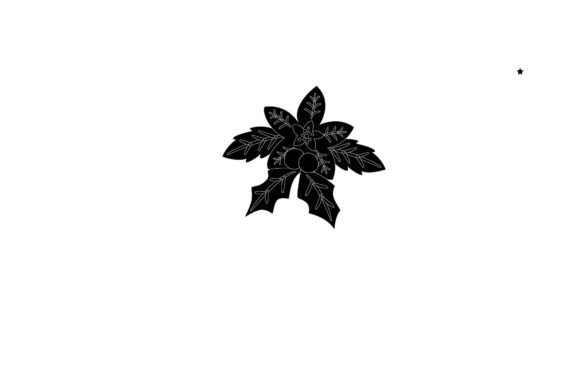
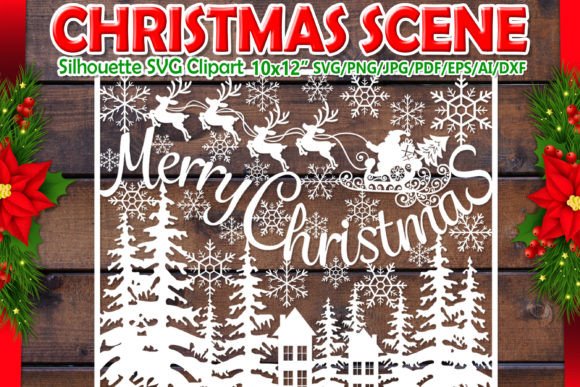
The first impression of this Illustrations-style piece is its clarity. In the world of holiday embroidery, clutter is the enemy. Many festive designs try to cram too many elements—snowflakes, reindeer, text, and borders—into a single frame. The Christmas Symbol Design, however, relies on strong, recognizable shapes. It creates a mood of nostalgic warmth without sacrificing structural integrity. For an embroidery product reviewer, this balance is crucial. A design must be visually appealing but also technically sound enough to withstand the tension of the hoop and the pull of the thread.
Real-World Application: The Holiday Tote Bag Test
To truly evaluate this design, I imagined a common scenario for many Etsy sellers and craft business owners: creating a set of reusable holiday tote bags. These are popular handmade products that need to look professional yet charming. I visualized placing the Christmas Symbol Design on a heavy canvas tote. Because the design likely utilizes a mix of fill stitch areas for depth and satin stitch borders for definition, it holds up well on thicker fabrics.
When stitching on canvas, stitch density becomes a primary concern. If the design is too dense, the fabric will pucker, ruining the clean lines of the bag. If it is too sparse, the backing fabric might show through, looking cheap. From my assessment, this design appears to have a balanced density that works well for medium-to-heavy weight fabrics. It would make an excellent tote bag design because the symbol remains legible even from a distance, which is key for retail display or gift-giving.
Versatility Across Product Lines
Beyond tote bags, the versatility of this embroidery file is a major selling point for small shop product lines. Consider its application on sweatshirt embroidery. Hoodies and crewnecks are staples of winter wardrobes. The design’s layout seems compact enough to sit neatly on the left chest or larger on the back without overwhelming the garment. For custom apparel, this means you can offer clients a subtle, classy holiday look rather than a loud, costume-like appearance.
For those specializing in baby embroidery, caution is always advised regarding texture and comfort. However, if scaled down appropriately, this symbol could work beautifully on a baby blanket or a nursery decor pillow. The key here is adjusting the thread colors. Soft pastels or traditional reds and greens can completely change the vibe. A muted palette turns it into a sophisticated personalized gift, while bright primary colors make it fun and energetic for children’s items.
Another strong use case is the embroidered patch. Patches are trending heavily among creative entrepreneurs because they allow for low-risk inventory. You can stitch a batch of these symbols on twill, cut them out, and sell them as add-ons or standalone items. The Christmas Symbol Design has the bold outlines necessary for a patch to maintain its shape after being sewn onto jackets or hats.
Technical Considerations and Potential Pitfalls
While the design is strong, no digital embroidery file is universal. There are specific situations where you need to proceed with care. First, consider hoop size. If you are working with a small 4x4 inch hoop, ensure the design fits with adequate margin for stabilization. Crowding the edges of the hoop is a common mistake that leads to hoop burns and misalignment.
Secondly, think about fabric texture. This design likely performs best on smooth, woven fabrics like cotton, linen, or polyester blends. On highly textured fabrics like fluffy fleece or terry cloth, the finer details might get lost. If you plan to use it on a kitchen towel or a plush blanket, you may need to adjust the stitch length or use a topping stabilizer to keep the stitches sitting on top of the pile rather than sinking in.
Stretchy fabric presents another challenge. If you are embroidering on a knit t-shirt or a cap, the stability of the design is paramount. Caps, in particular, have curved surfaces that can distort circular or symmetrical symbols. I recommend using a stiff cut-away stabilizer for caps to prevent the design from warping after washing. Always test on a scrap piece of the exact same material before starting your final embroidery project.
Enhancing Visual Appeal and Brand Value
From a branding perspective, consistency is key. Using a cohesive set of designs like this Christmas Symbol Design helps build trust with your customers. When a buyer sees clean, crisp stitching, they perceive higher value. This translates directly to better engagement on social media and higher conversion rates for your printable mockup listings. A well-executed design acts as a silent salesman, showcasing your skill as a maker.
For commercial embroidery projects, such as corporate holiday gifts or boutique branding, professionalism is non-negotiable. This design’s clean lines contribute to a polished finished product. It avoids the amateurish look of jagged edges or excessive thread jumps. By choosing high-quality threads and matching the thread colors carefully to your brand palette, you elevate the perceived quality of the item.
Practical Notes for the Embroidery Designer
Before you load this design into your machine, here are some practical steps to ensure success:
- Test on Scrap Fabric: Never skip this step. Check for tension issues and thread breaks.
- Check Contrast: View the design in black and white to ensure the details are visible without color reliance.
- Review Stitch Density: If the design feels too stiff after stitching, consider reducing the density in your editing software.
- Confirm Hoop Size: Ensure your hoop accommodates the design with at least one inch of extra space on all sides.
- Inspect Small Details: Zoom in on the digital file to check for tiny, isolated stitches that might cause nesting or bird’s nests.
- Use Proper Stabilizer: Match the stabilizer to the fabric weight. Cut-away for knits, tear-away for wovens.
- Verify Licensing: Always confirm the license terms for the design assets. Ensure you have the right to sell finished items if you are an Etsy seller or running a small business.
In conclusion, the Christmas Symbol Design is a solid addition to any holiday collection. It balances aesthetic charm with technical practicality, making it suitable for a wide range of applications from holiday embroidery on home decor to custom apparel for clients. By respecting the technical limitations of your machine and materials, you can turn this digital file into a standout physical product that delights customers and enhances your brand reputation.