Reviewing Cute Cartoon Winter Christmas Clipart for Embroidery
As a designer who has spent countless hours digitizing and stitching out holiday motifs, I approach every new Cute Cartoon Winter Christmas Clipart with a mix of excitement and skepticism. We have all been there: you find an adorable illustration online, imagine it perfectly stitched on a cozy sweatshirt, only to realize later that the lines are too thin for a satin stitch or the details vanish into the fabric texture. Today, I am evaluating this specific set of winter-themed illustrations not just as digital art, but as a potential machine embroidery design ready for real-world application.
First Impressions: Mood and Visual Personality
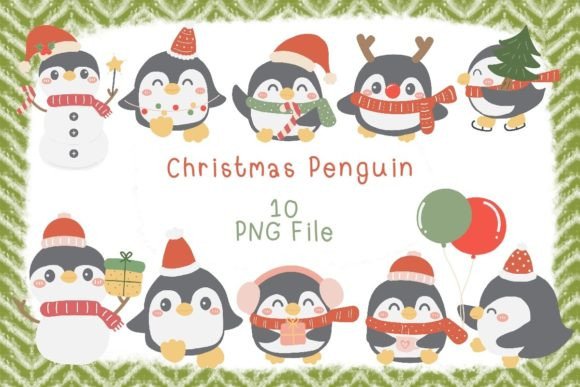
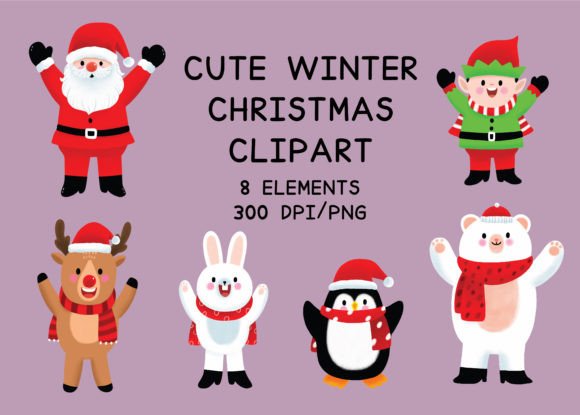
The immediate appeal of Cute Cartoon Winter Christmas Clipart lies in its approachable warmth. The shapes are rounded and friendly, avoiding the sharp, aggressive angles that can sometimes plague holiday graphics. This softness is crucial for embroidery. When we translate these Illustrations into thread, we need forms that flow well with the natural movement of the needle. The visual personality here is nostalgic yet modern, striking a balance that works beautifully for both children’s items and adult boutique apparel.
From a layout perspective, the elements feel balanced. There is enough negative space to prevent the design from looking cluttered once stitched. For an embroidery project, this breathing room is vital. It allows the thread colors to pop without competing against a background of overly dense stitching. The mood is distinctly festive, evoking feelings of hot cocoa, snow days, and quiet winter mornings, which makes it an ideal candidate for holiday embroidery projects that aim to comfort rather than just decorate.
Real-World Application: From Screen to Stitch
To truly test the viability of Cute Cartoon Winter Christmas Clipart, I mentally placed it on several common substrates. Let’s consider a custom tote bag design. Canvas is a sturdy fabric, but it has a visible weave. If the clipart includes fine details, they might get lost. However, because these cartoons rely on bold, recognizable shapes, they hold up surprisingly well. The broader areas would likely utilize a fill stitch, providing solid coverage that masks the canvas texture effectively.
Moving to sweatshirt embroidery, the scenario changes slightly. Fleece and cotton blends are thicker and softer. Here, the charm of the cartoon style shines. A bulky sweater needs a design that isn’t too stiff. If the digitizer has managed the stitch density correctly, this clipart will sit lightly on the fabric, maintaining the garment’s drape. I can easily envision this as a left-chest logo on a cardigan or a large back print on a hoodie. The simplicity of the cartoon aesthetic ensures that it doesn’t overwhelm the wearer, making it a strong choice for custom apparel intended for daily wear.
For baby embroidery, such as onesies or bibs, the soft lines are a significant advantage. Babies have sensitive skin, so raised, dense stitching can be irritating. If this clipart is adapted with proper underlay and lighter density, it becomes a safe and adorable addition to a nursery wardrobe. It transforms a basic item into a cherished personalized gift, adding value through thoughtful design rather than just complexity.
Navigating Technical Challenges
While the aesthetic is strong, we must address where Cute Cartoon Winter Christmas Clipart requires careful handling. Not every illustration translates seamlessly to thread. Small hoop sizes present a challenge. If you attempt to shrink this design to fit a 4x4 hoop for an embroidered patch or a cap, you risk losing definition. Tiny details, such as small eyes or intricate snowflake patterns within the clipart, may merge together if the stitch count is not optimized for reduction.
Textured fabrics also demand attention. On a fluffy towel or a ribbed knit, the clarity of the design can suffer. In these cases, using a cutaway stabilizer is non-negotiable to provide a firm foundation. Additionally, if the clipart features very thin lines intended as running stitch outlines, they may disappear on dark fabrics unless a contrasting underlay is used. I always recommend testing the design on scrap fabric first, specifically matching the weight and texture of your final product.
Curved surfaces, like caps or beanies, introduce another variable. The distortion inherent in stitching on a curve means that symmetrical cartoon faces might look slightly off if not centered perfectly. For commercial embroidery runs, this means extra time spent on hooping and alignment. It is not a dealbreaker, but it is a practical consideration for production efficiency.
Enhancing Brand Value and Customer Trust
Why does the choice of clipart matter for your business? For an Etsy seller or small shop owner, consistency is key. Using high-quality, cohesive designs like Cute Cartoon Winter Christmas Clipart helps build a recognizable brand identity. When customers see a clean, well-stitched design, they perceive higher value. It signals professionalism and care.
Furthermore, these designs are highly shareable. A cute, well-executed winter motif on a kitchen towel or pillow cover is photogenic. In the age of social media, the visual appeal of your finished product drives engagement. Customers are more likely to tag your shop in their posts if the item looks charming and unique. This organic marketing is invaluable for craft business growth.
When creating printable mockup assets for your online store, ensure the digital representation matches the stitched reality. Misleading previews can lead to returns and negative reviews. By understanding how the clipart behaves in real life, you can set accurate expectations, fostering trust and repeat business.
Practical Notes for the Embroidery Designer
Before you load this digital embroidery file into your machine, take a moment to review the technical specs. Check the recommended hoop size and ensure your machine can handle the file format. If the design includes applique design elements, verify that the placement stitches and cut lines are clearly defined.
- Test on Scraps: Always stitch out a sample on the same fabric you plan to use for the final product. This reveals issues with tension, density, or color contrast.
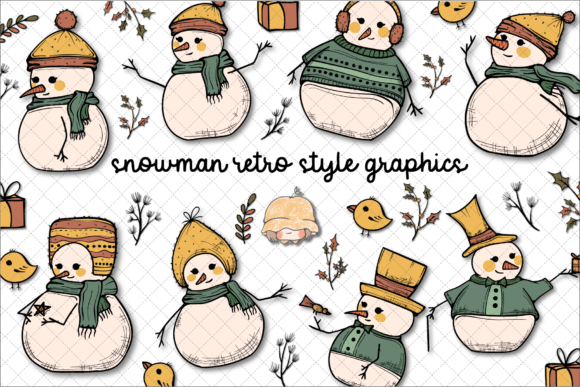
- Check Thread Contrast: Ensure your chosen thread colors stand out against the fabric. A white snowman on a cream shirt might need a subtle shadow stitch to define its edges.
- Review Stitch Density: High density can cause puckering, especially on lighter fabrics. Adjust if necessary.
- Verify Licensing: Confirm whether the clipart license allows for commercial embroidery sales. Some artists permit personal use only, while others allow unlimited physical sales but restrict digital resale.
- Mockup in Black and White: Convert the design to grayscale to check for value contrast. If the details disappear in black and white, they may lack definition in thread.
In conclusion, Cute Cartoon Winter Christmas Clipart offers a delightful blend of charm and versatility. When approached with a designer’s eye for detail and a practitioner’s respect for technical limitations, it becomes a powerful asset in your creative toolkit. Whether you are crafting a single personalized gift or producing a line of small shop product inventory, this design has the potential to bring joy and quality to your winter collection.