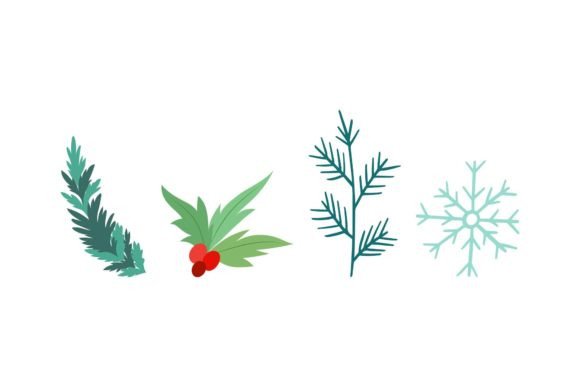
Reviewing Christmas Plant Art for Holiday Stitching
As a designer who has spent countless hours digitizing and testing embroidery patterns, I approach every new machine embroidery design with a mix of curiosity and caution. The holiday season is particularly demanding for crafters and small business owners. Customers expect perfection, durability, and charm in equal measure. When I first loaded the Christmas Plant Art file into my software, I was looking for more than just a festive image; I was evaluating its viability as a commercial asset for my own shop and for clients who rely on high-quality embroidery project outcomes.
This piece falls under the category of Illustrations, which immediately sets certain expectations. Unlike simple monogram fonts or basic geometric shapes, illustrative designs require careful handling of stitch types and density to maintain their artistic integrity. Here is my practical assessment of how this design performs in real-world applications, from custom apparel to boutique home decor.
First Impressions: Mood and Visual Personality
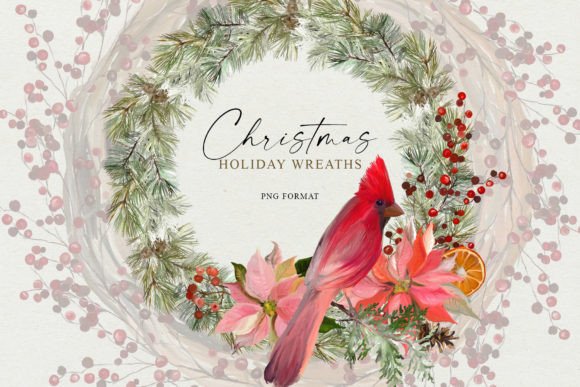
The initial visual impact of Christmas Plant Art is warm and inviting. It captures the organic, slightly wild beauty of holiday greenery without feeling cluttered. For an embroidery designer, the layout is crucial. This design balances negative space with detailed elements effectively. It does not scream for attention with excessive complexity, which is a common pitfall in holiday-themed design assets. Instead, it offers a sophisticated, natural aesthetic that appeals to modern buyers who prefer subtle elegance over loud, traditional motifs.
The theme suggests versatility. It is not tied to a specific year or trend, making it a timeless addition to your library. Whether you are creating a personalized gift for a neighbor or stocking your Etsy shop with seasonal inventory, the mood here is one of cozy, understated celebration. This visual personality translates well to various mediums, provided the stitching execution matches the digital preview.
Real-World Application: From Tote Bags to Sweatshirts
To truly test a design, you must imagine it on actual products. I recently considered using Christmas Plant Art for a line of custom tote bag design options. Canvas tote bags are a staple for holiday markets, but they present challenges regarding fabric texture and stability. The illustrative nature of this design works beautifully here because the lines are distinct enough to remain clear against the woven texture of canvas. Using a combination of satin stitch for the stems and fill stitch for the foliage creates a nice tactile contrast that customers love to touch.
Another strong candidate for this pattern is sweatshirt embroidery. Holiday loungewear is a massive market segment. When placed on the left chest of a crewneck sweatshirt, the design acts as a refined accent rather than an overwhelming graphic. However, scale is critical. On a larger garment like a hoodie, you might want to increase the size slightly to ensure the details do not get lost in the fleece texture. Conversely, for baby embroidery projects, such as a onesie or a soft blanket, the design should be scaled down significantly. The soft, organic lines are gentle and appropriate for nursery decor, but you must ensure the stitch density is reduced to keep the fabric soft against sensitive skin.
I also see potential for this design in home goods, specifically pillow covers and kitchen towels. A holiday embroidery motif on a linen tea towel adds a touch of handmade charm that mass-produced items lack. The key here is choosing thread colors that complement the fabric rather than clash with it. Earthy greens, deep reds, and muted golds tend to elevate the perceived value of the finished product.
Technical Considerations and Fabric Challenges
While Christmas Plant Art is visually appealing, it requires technical diligence. Not all fabrics behave the same way. If you are working with stretchy materials, such as jersey knits for t-shirts, proper stabilization is non-negotiable. Without a cut-away stabilizer, the intricate details of the illustration may pucker or distort after washing. This is a common issue with illustrative embroidery file types that have varied directional stitches.
Dark fabrics present another challenge. If you are stitching this design on a navy or black garment, you must carefully select your thread colors to ensure sufficient contrast. A dark green on black fabric will disappear, ruining the visual appeal. In such cases, consider using lighter shades or adding a subtle underlay to boost visibility. Additionally, curved surfaces like caps require careful hooping. The design’s layout should be centered precisely to avoid distortion around the seam of the cap. An embroidered patch might be a safer alternative for hats if you are unsure about stitching directly onto the curved brim.
Be cautious with very small hoop sizes. If you shrink the design too much to fit a 4x4 inch hoop, the fine details may merge together, turning into a blob of thread. Always check the minimum recommended size in your software. If the details become indistinguishable, the design loses its professional look. For commercial embroidery runs, consistency is key. Test the design on scrap fabric identical to your final product before committing to production.
Enhancing Brand Value and Customer Trust
For Etsy seller accounts and small shop owners, the quality of your embroidery directly impacts brand perception. A clean, well-stitched Christmas Plant Art design signals professionalism. It shows that you care about detail and durability. This builds customer trust, which is essential for repeat business. When buyers receive a handmade product that looks polished and feels substantial, they are more likely to leave positive reviews and recommend your shop to others.
Using this design in your marketing materials, such as printable mockup images, can also boost engagement. The illustrative style photographs well, allowing you to create lifestyle images that resonate with your target audience. Whether you are selling the digital embroidery file itself or the physical item, presenting the design in context helps buyers visualize it in their own homes or wardrobes.
Practical Designer Notes for Best Results
Before you start stitching, take a moment to review the technical specifications. Since exact stitch counts and file formats were not provided in the initial description, you must verify these details in your embroidery software. Check the hoop size requirements to ensure it fits your machine’s capabilities. Inspect the stitch path to identify any potential jump stitches that may need trimming.
- Test on Scrap Fabric: Always run a test stitch-out on the same type of fabric you plan to use for the final product. This reveals issues with tension, density, or color contrast.
- Check Thread Contrast: View your design in black and white mode to ensure the shapes are distinct even without color. This helps in selecting the right thread shades for dark or light backgrounds.
- Use Proper Stabilizer: Match your stabilizer to your fabric. Woven fabrics may need tear-away, while knits require cut-away support to prevent distortion.
- Verify Licensing: If you plan to sell items made with this design, confirm the license terms. Ensure you have the right to use it for craft business purposes and commercial sales.
- Inspect Small Details: Zoom in on the digital preview. Look for tiny elements that might not stitch out cleanly. You may need to simplify or remove extremely small details if they cause thread breaks.
In conclusion, Christmas Plant Art is a versatile and charming addition to any holiday collection. Its illustrative style offers a modern twist on traditional themes, making it suitable for a wide range of products from custom apparel to home decor. By paying attention to fabric choice, stabilization, and stitch density, you can ensure that every piece you produce meets the high standards your customers expect. Whether you are a hobbyist making gifts or a professional decorator fulfilling large orders, this design has the potential to become a seasonal favorite in your portfolio.