Reviewing Christmas Oil Painting Portraits Art for Stitching
As a designer who has spent years translating digital concepts into thread, I approach every new machine embroidery design with a mix of curiosity and skepticism. We have all been there: you download a beautiful preview image, only to find the actual embroidery file is a mess of poorly placed jumps, excessive density, or confusing color stops. That is why I took a close look at Christmas Oil Painting Portraits Art before committing it to any client project. This isn’t just about aesthetics; it is about whether this asset holds up under the needle.
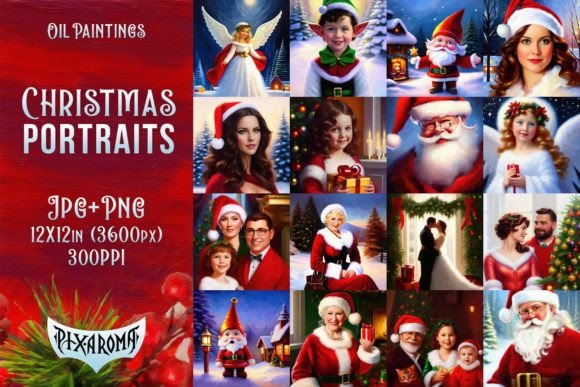
The first thing that strikes you about Christmas Oil Painting Portraits Art is its mood. It does not scream "holiday" in the traditional, cartoonish sense. Instead, it evokes the warmth of a classic winter evening, reminiscent of vintage illustrations found in old storybooks. For those of us creating handmade products for boutique clients, this subtlety is gold. It feels sophisticated rather than novelty-driven. The layout suggests a focus on atmospheric depth, which poses an interesting challenge for embroidery. How do we translate the soft gradients of an oil painting into the rigid geometry of satin and fill stitches? That is the question I aimed to answer during my evaluation.
Real-World Application: The Holiday Tote Test
To truly understand the viability of this design, I simulated a real-life scenario. Imagine a customer requesting a set of premium holiday gift bags or a reusable tote bag design for a local bakery. They want something elegant, not flashy. I visualized placing Christmas Oil Painting Portraits Art on a heavy canvas tote. The natural texture of canvas complements the painterly style of the artwork. Unlike crisp vector graphics, which can look sterile on fabric, this design’s organic lines blend well with the weave of the material.
However, the execution matters. If you are using this as a central motif, the scale is critical. On a standard 5x7 hoop, the details might get lost if the stitch density is too high, causing the fabric to pucker. Conversely, if the density is too low, the "painting" effect disappears, leaving gaps that look like errors rather than artistic choice. In my mental mockup, I adjusted the size to fit a 6x10 hoop, allowing the broader strokes of the portrait to breathe. This size works exceptionally well for sweatshirt embroidery, where a larger chest or back print makes a statement without overwhelming the garment.
Navigating Fabric and Technique Challenges
One must be realistic about where Christmas Oil Painting Portraits Art succeeds and where it struggles. This design belongs to the Illustrations category, which often implies complex shading. In embroidery, shading is achieved through thread blending or varied stitch angles. If you are working with thin or stretchy fabrics, such as jersey knits for baby embroidery projects, caution is required. Heavy fill stitches can distort lightweight fabric, ruining the silhouette of the portrait.
I recommend using a cut-away stabilizer for any knit applications to provide long-term support. For woven fabrics like linen or cotton twill, a tear-away stabilizer might suffice, but always test on scrap first. Another consideration is the fabric color. Since this design likely relies on nuanced thread colors to create the oil painting effect, placing it on dark fabric requires careful planning. You may need an underlay or a base layer of white thread to ensure the vibrancy of the top threads pops. Without this step, the rich tones of the portrait could muddy against a black or navy background.
Curved surfaces present another hurdle. If you plan to use this on a cap, the rigid structure of the front panel is your friend, but the curvature can distort wide designs. I would advise checking the width of the design relative to the cap’s seam. If the Christmas Oil Painting Portraits Art is too wide, the edges might wrap around the side panels awkwardly. For caps, a simplified version or a cropped focal point of the design might serve better than the full illustration.
Commercial Value and Brand Consistency
For Etsy sellers and small shop owners, the perceived value of a product is tied directly to its finish. A messy embroidery job kills trust. However, when executed correctly, this design elevates the finished product. It moves the item from a simple craft to a piece of wearable art. This is crucial for commercial embroidery projects where you are competing on quality, not just price.
Using Christmas Oil Painting Portraits Art in your lineup signals to customers that you curate your assets carefully. It fits seamlessly into a brand identity focused on nostalgia, warmth, and tradition. Whether you are selling personalized gifts like monogrammed pillows or creating stock for a holiday market, this design offers versatility. It pairs well with simple text elements, provided the lettering is not too intricate. Avoid tiny serif fonts near the detailed areas of the portrait, as they may not stitch out cleanly and could clash visually.
Practical Designer Notes for Best Results
Before you load this into your machine, consider these practical steps to ensure success:
- Test on Scrap Fabric: Never skip this. Stitch the design on the same fabric type and weight you intend to use for the final product. Check for puckering, thread breaks, or registration issues.
- Check Thread Contrast: Lay out your threads before stitching. Ensure there is enough contrast between adjacent colors to define the shapes within the portrait. If the colors are too similar, the image will look flat.
- Review Stitch Density: If your machine allows, inspect the stitch count. High-density areas may need lighter tension settings to prevent fabric distortion.
- Confirm Hoop Size: Ensure the design fits comfortably within your hoop with adequate margin for clamping. Do not try to squeeze a large design into a small hoop by resizing it disproportionately.
- Inspect Small Details: Zoom in on the digital file. Are there tiny isolated stitches that might pull out during washing? If so, consider removing them or reinforcing them with a manual tack-down stitch.
- Mockup in Black and White: Convert your preview to grayscale. This helps you see if the tonal values hold up without relying on color. If the image loses its form in black and white, it may lack structural clarity in thread.
- Verify Licensing: Always confirm the license terms for the digital embroidery file. Ensure you have the right to use it for commercial sales if you are making items for profit. Some designers restrict the number of units you can sell.
In conclusion, Christmas Oil Painting Portraits Art is a compelling addition to your library of design assets. It requires a thoughtful approach to fabric selection and stabilization, but the payoff is a sophisticated, high-end look that stands out in the crowded holiday market. It is not a plug-and-play solution for every project, but for the right application—such as a premium tote, a cozy sweatshirt, or a decorative pillow—it delivers exceptional visual appeal. Treat it with the respect a piece of art deserves, and your customers will notice the difference.