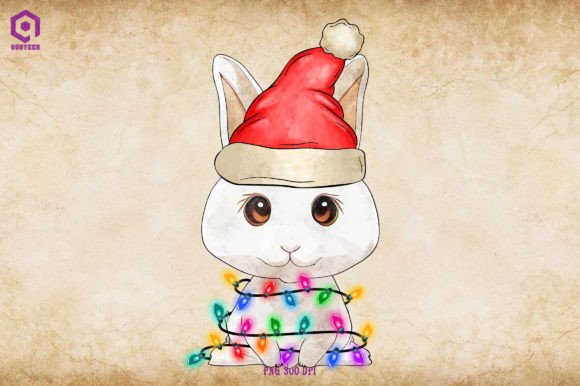
Rabbit Christmas Tree Lights: A Designer’s Review
As an embroidery designer who has spent years digitizing patterns and testing them on everything from stiff denim to delicate baby knits, I approach every new machine embroidery design with a mix of curiosity and skepticism. We have all seen those overly complex digital files that look stunning on a screen but turn into a tangled mess of thread breaks and puckering on fabric. That is why I took a close, practical look at Rabbit Christmas Tree Lights. This piece falls under the category of Illustrations, which immediately sets an expectation for artistic flair rather than rigid geometric precision. My goal here is not to sell you on the idea, but to tell you exactly how this design behaves in the real world of craft business and handmade production.
First Impressions and Visual Personality
The first thing that strikes me about Rabbit Christmas Tree Lights is its whimsical yet cozy mood. It does not scream for attention with aggressive saturation; instead, it invites a closer look. The layout suggests a narrative—a rabbit intertwined with the warmth of holiday lighting. For a designer, this is crucial. A design needs a focal point, and here, the interplay between the character and the light elements creates a natural visual flow.
The level of detail is moderate, which is a smart choice for versatility. It is intricate enough to look professional and high-value, yet it avoids the microscopic details that often get lost in stitching. When I visualize this as part of my design assets library, I see it fitting perfectly into collections that prioritize charm and nostalgia. It feels less like a generic clipart addition and more like a curated piece of art intended for specific, thoughtful applications.
Real-World Application: The Holiday Tote Test
To truly evaluate a design, you must imagine it on a product. Let us consider a common scenario for any Etsy seller or small shop product creator: the holiday market tote bag. I recently worked on a batch of canvas totes for a boutique client, and Rabbit Christmas Tree Lights would have been an ideal candidate for the front panel.
On a sturdy cotton canvas, the design holds its shape well. The fill stitch areas provide solid coverage, ensuring the rabbit stands out against the textured background. Because this is an illustration-style piece, it benefits from the slight texture of the fabric, which adds depth to the thread colors. If I were producing this for a personalized gift line, I would pair it with warm, traditional holiday hues—deep greens, soft creams, and muted reds. The result is a finished product that feels bespoke and expensive, not mass-produced. Customers are drawn to items that tell a story, and this design delivers that narrative instantly.
Apparel and Soft Goods Performance
Moving beyond totes, let us talk about custom apparel. Specifically, sweatshirt embroidery. This is where many designs fail due to excessive density, causing the garment to pucker or feel stiff. Based on the visual structure of Rabbit Christmas Tree Lights, it appears to balance satin stitch borders with open fill areas. This is critical for comfort. No one wants a heavy, cardboard-like patch on their favorite hoodie.
For baby embroidery projects, such as onesies or blanket accents, this design shines because of its gentle theme. However, caution is required. Babies have sensitive skin, so the back of the embroidery must be clean. I always recommend using a soft cut-away stabilizer and trimming excess threads meticulously. The design’s lack of extremely fine, isolated stitches makes it safer for items that will undergo frequent washing and drying. It maintains its integrity without unraveling, which builds trust with parents who buy your handmade product.
Technical Considerations and Fabric Choices
While Rabbit Christmas Tree Lights is versatile, it is not universal. As a professional, I must highlight where this design requires careful handling.
- Fabric Texture: On highly textured fabrics like terry cloth or thick wool, some of the finer illustrative details might get lost. I recommend testing on scrap fabric first to see if the stitch density translates clearly.
- Stretchy Materials: If you are applying this to a stretchy knit for a t-shirt, proper stabilization is non-negotiable. Without it, the design may distort during wear.
- Dark Fabrics: If stitching on black or navy, ensure your embroidery file includes underlay stitches that prevent the background fabric from peeking through the lighter thread colors. A quick test run can save you from ruining expensive garment stock.
- Curved Surfaces: For caps or hats, the center placement is key. Ensure the design fits within your standard cap hoop size without encroaching on the seams. The rounded nature of the rabbit motif works well here, but always check the width dimensions.
It is also worth noting that this design likely relies on a mix of running stitch for outlines and fills for body mass. This combination is excellent for clarity but requires precise tension settings on your machine. If your machine tends to loop or bird-nest, take extra time to calibrate before starting the final piece.
Commercial Value and Brand Consistency
For commercial embroidery professionals and digital embroidery file sellers, the value of a design lies in its marketability. Rabbit Christmas Tree Lights taps into the evergreen holiday market, but with a niche appeal that separates it from generic snowflakes and stars. It appeals to buyers looking for something unique for their holiday embroidery decor or gifts.
Using this design in your printable mockup previews can significantly boost engagement. Because it is an illustration, it photographs beautifully. The contrast between the thread sheen and the fabric creates a tactile appeal that flat graphics cannot match. This enhances your brand consistency, positioning you as a creator who values artistic quality over quantity. Whether you are selling the physical embroidered patch or the digital file itself, the professional finish of this design supports a higher price point.
Final Designer Notes
Before you commit to a large production run or list this as a new item in your shop, keep these practical steps in mind:
- Check Licensing: Always confirm the license terms. Can you use this for commercial sales of finished items? Are there restrictions on digital redistribution? Never assume; always read.
- Test Stitch Out: Run the design on a similar fabric to your final product. Check for thread breaks and color blending.
- Contrast Check: View your design in black and white on your screen. If the details disappear, you may need to adjust thread choices for better visibility.
- Hoop Selection: Choose the smallest hoop that comfortably fits the design to minimize fabric movement and maximize stability.
In conclusion, Rabbit Christmas Tree Lights is a strong contender for your seasonal collection. It balances artistic charm with technical practicality, making it suitable for a wide range of embroidery project types. By respecting the material constraints and preparing your setup correctly, you can produce items that delight customers and stand the test of time. It is a reminder that good design is not just about how it looks on the screen, but how it lives on the fabric.