Christmas House Illustration: A Designer's Review
As a designer who spends more time staring at stitch maps than most people spend watching television, I approach every new machine embroidery design with a mix of excitement and skepticism. We have all been burned by beautiful digital previews that turn into thread nests on the hoop. So, when I pulled up the files for Christmas House Illustration, my first instinct wasn't to click "buy" immediately, but to analyze the line work, density, and potential application. This isn't just about whether it looks cute on a screen; it is about whether it holds up under the needle on a textured sweatshirt or a slippery tote bag.
The Visual Personality and First Impressions
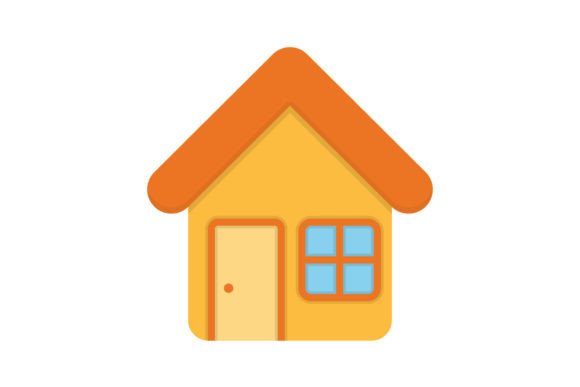
The moment you load the digital embroidery file into your software, the mood becomes clear. This piece leans heavily into a cozy, storybook aesthetic. It feels less like a rigid architectural blueprint and more like a hand-drawn sketch brought to life with thread. The layout suggests a charming, slightly whimsical cottage, likely featuring snow-dusted roofs and warm, glowing windows. For those of us creating holiday embroidery projects, this specific vibe is gold. It avoids the overly commercial, clip-art look that plagues so many seasonal designs.
What stands out immediately is the balance between detail and stitchability. In many Illustrations within this category, designers often overcomplicate the rooflines or window panes, resulting in a muddy mess once stitched. However, the flow here seems intentional. The shapes are distinct enough to be recognized even from a distance, which is crucial for items like tote bag design applications where the viewer might be standing a few feet away. The visual personality screams "handmade warmth," making it an ideal candidate for products meant to evoke nostalgia.
Real-World Application: The Holiday Tote Scenario
To truly test the viability of Christmas House Illustration, I mentally placed it onto a real-world project: a custom canvas tote bag for a boutique client selling holiday gift sets. Canvas is a tricky beast; it has a pronounced fabric texture that can eat up fine details. If the stitch density is too low, the background fabric shows through awkwardly. If it is too high, the bag puckers and the handle attachment points become distorted.
In this scenario, the design shines because its illustrative nature allows for slightly broader fill stitch areas in the roof and walls, which cover the canvas weave effectively. The potential for using a satin stitch on the smoke rising from the chimney or the outlines of the windows adds a nice textural contrast. Imagine this stitched in creamy whites, deep forest greens, and a pop of cardinal red against a natural beige canvas. It transforms a simple grocery carrier into a premium handmade product that a customer would happily pay extra for. It elevates the perceived value of the item instantly.
Beyond totes, I can see this working beautifully on sweatshirt embroidery. French terry or fleece provides a soft bed for the stitches, and the cozy theme matches the garment's purpose perfectly. Whether it is a matching family set for Christmas morning or a limited-run item for a small shop, the design scales well. It doesn't look out of place on adult apparel, avoiding the trap of looking too juvenile, which expands your target market significantly.
Technical Considerations and Fabric Challenges
However, no design is without its challenges, and a professional review must address where Christmas House Illustration requires caution. The primary concern lies in the hoop size and the level of detail in the smaller elements. If the design includes tiny windows or intricate door handles, these areas are vulnerable on stretchy fabrics. If you are attempting this on a thin t-shirt or a knit baby onesie for baby embroidery, the risk of distortion is real.
For custom apparel made from stretchy materials, I strongly advise using a cut-away stabilizer rather than a tear-away. The structural integrity of the house shape needs to remain perfect after multiple washes. A tear-away might leave the edges fraying or the shape warping over time, which ruins the professionalism of the finished product. Additionally, if you are planning to use this on dark fabrics, you must check the thread colors in the preview. Does the design include an underlay or a solid background fill? If it relies on the fabric color for the night sky, ensure your dark fabric is uniform; otherwise, the illustration might look patchy.
Curved surfaces present another hurdle. Placing this on a cap or a structured hat requires careful positioning. The center of the house should align with the highest point of the crown to prevent the sides from wrapping around the curve too aggressively, which can make the windows look skewed. For an embroidered patch, this design is excellent, provided the border is defined clearly to allow for a clean merrowed or satin edge finish.
Enhancing Brand Value and Customer Trust
From a business perspective, specifically for an Etsy seller or a craft fair vendor, the choice of design directly impacts brand consistency. Using a high-quality, cohesive illustration like Christmas House Illustration signals to the buyer that you care about aesthetics. It moves your inventory from "generic holiday item" to "curated boutique good." When a customer sees crisp lines and thoughtful color transitions, they trust the durability of the item. They are more likely to return for future purchases or recommend your small shop product to friends.
The "giftability" factor is also off the charts. People love giving personalized items during the holidays. This design serves as a fantastic base for personalization. You could easily add a family name in a complementary font below the house or incorporate it into a larger scene for a pillow cover or kitchen towel. The neutral yet festive theme fits various decor styles, from farmhouse to modern minimalist, broadening its appeal.
Practical Notes for the Embroiderer
Before you commit to stitching this on a final garment, here are a few non-negotiable steps I recommend based on experience:
- Test on Scrap Fabric: Always stitch a sample on the exact same material and weight as your final project. Check how the running stitch details hold up.
- Check Contrast: View your design in black and white on your screen. If the details disappear in grayscale, they will likely get lost in the stitching. Adjust thread shades if necessary.
- Verify Licensing: Before selling items made with this design asset, confirm the license terms. Some files are for personal use only, while others allow for commercial commercial embroidery sales.
- Inspect Small Details: Zoom in on the digitized file. Look for jump stitches that might be excessive or areas where the needle might penetrate too many times in one spot.
- Mockup Testing: Create a printable mockup to show clients before stitching. This saves time and thread if they want changes to the placement or sizing.
Ultimately, Christmas House Illustration feels like a versatile addition to any designer's library. It bridges the gap between artistic flair and technical feasibility. While it demands respect regarding fabric choice and stabilization, the payoff is a stunning, professional-looking item that captures the spirit of the season. Whether you are decorating a home, gifting a loved one, or stocking your online store, this design has the potential to create something truly special.