Review: Flying Reindeer Wearing a Christmas Hat Design
As an embroidery designer who has spent countless hours digitizing and testing files for client projects, I have developed a keen eye for what makes a machine embroidery design truly viable in the real world. It is not just about how cute the preview looks on a screen; it is about stitch flow, density management, and how the final product holds up after washing and wearing. Recently, I evaluated the Flying Reindeer Wearing a Christmas Hat design, a charming piece within the Illustrations category, to determine its suitability for my upcoming holiday production run. Here is my practical assessment of how this design performs in actual embroidery scenarios.
First Impressions and Visual Personality
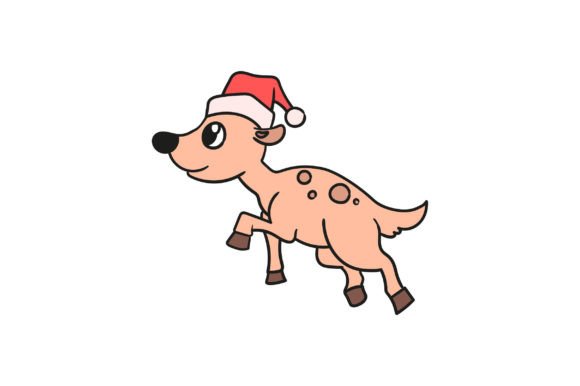
The moment I loaded the Flying Reindeer Wearing a Christmas Hat into my editing software, the playful energy of the motif stood out. The composition captures a sense of motion and whimsy, which is essential for holiday-themed items that aim to evoke joy. The silhouette is distinct, avoiding the clutter that often plagues complex seasonal designs. For a designer, this clarity is crucial. It means the subject remains recognizable even when scaled down or stitched on textured fabrics. The inclusion of the Christmas hat adds a classic festive touch without overpowering the reindeer’s form, creating a balanced visual hierarchy that draws the eye naturally.
This design feels inherently suited for holiday embroidery projects that require a touch of nostalgia mixed with modern simplicity. It does not rely on excessive detailing that might get lost in translation from digital file to thread. Instead, it uses shape and form to communicate its message, making it a versatile asset for various design assets in a craft business portfolio.
Real-World Application: The Tote Bag Test
To truly understand the utility of this file, I simulated a common commercial scenario: creating a set of reusable tote bags for a local boutique’s holiday gift-with-purchase campaign. I chose a medium-weight canvas for the test, as this is a popular substrate for tote bag design. The Flying Reindeer Wearing a Christmas Hat needed to be large enough to be impactful but compact enough to fit within a standard 5x7 hoop to maximize efficiency.
The stitching process revealed the design’s strengths. The transition between the reindeer’s body and the hat was smooth, with no noticeable jumps or loose threads that would require excessive trimming. This is vital for Etsy sellers and small shop product creators who need to maintain high throughput without sacrificing quality. The finished product looked professional, with clean edges that suggested a higher price point than a simple printed graphic. Customers are more likely to trust and engage with a handmade product that exhibits such precision, enhancing the perceived value of the item.
Versatility Across Product Lines
Beyond tote bags, this design demonstrates remarkable flexibility. I envision it working exceptionally well on sweatshirt embroidery, where the soft texture of fleece can complement the playful nature of the reindeer. The design’s open areas allow the fabric to show through slightly, preventing the heavy, cardboard-like feel that dense fills can sometimes create on garments. For custom apparel, such as family matching pajamas or kids’ hoodies, the motif strikes the right balance between fun and sophisticated.
For those interested in embroidered patch creation, this design is a strong candidate. Its self-contained shape makes it ideal for cut-away stabilizer applications, allowing for clean edging around the reindeer and hat. Patches are a trending item in craft business circles, and having a unique, high-quality digital embroidery file like this can differentiate a seller’s offerings from generic stock designs.
Technical Considerations and Stitch Performance
While the aesthetic appeal is high, a professional review must address technical execution. The Flying Reindeer Wearing a Christmas Hat appears to utilize a mix of fill stitch for the body and satin stitch for finer details like the hat’s trim or facial features. This combination is effective but requires careful attention to stitch density. If the density is too high on stretchy fabrics, the material may pucker. Therefore, using the appropriate stabilizer is non-negotiable. I recommend a cut-away stabilizer for garments that will be washed frequently, ensuring the design retains its shape over time.
Thread color selection also plays a pivotal role. While the design likely comes with suggested thread colors, I advise testing variations. A traditional brown reindeer with a red hat is classic, but experimenting with monochromatic schemes or metallic threads can elevate the design for luxury personalized gift markets. Always check the contrast between the thread and the fabric. On dark fabrics, ensure that the outline stitches are sufficient to define the shape, or consider adding a light-colored underlay if your machine allows for customization.
Where to Use Caution
No design is perfect for every application. I would exercise caution when using this motif on very thin or delicate fabrics, such as silk or lightweight rayon, unless heavily stabilized. The weight of the stitches might distort the fabric. Additionally, while the design is clear, scaling it down too small for tiny hoop sizes might cause the finer details of the Christmas hat to merge, losing definition. Always perform a test stitch on scrap fabric of the same type you intend to use for the final embroidery project. This step saves time and materials in the long run.
Curved surfaces, like caps, present another challenge. The flying posture of the reindeer needs to be aligned correctly with the curve of the cap to avoid visual distortion. Proper hooping techniques and possibly adjusting the rotation angle in your software can mitigate this issue. For baby embroidery, ensure that all satin stitches are secure and that there are no long jumps that could pose a snagging hazard for infants.
Enhancing Brand Value and Customer Engagement
Incorporating the Flying Reindeer Wearing a Christmas Hat into your product line can significantly boost brand consistency if your aesthetic leans towards whimsical, handcrafted charm. High-quality Illustrations in embroidery form signal professionalism and attention to detail. When customers see a well-executed design, they are more likely to perceive the entire brand as trustworthy. This is particularly important for commercial embroidery clients who rely on consistent branding across their merchandise.
Furthermore, this design lends itself well to printable mockup creation for online listings. A crisp, clean image of the embroidered reindeer on a cozy sweater or a sturdy tote can drive higher click-through rates on platforms like Etsy. It helps buyers visualize the finished product in their own lives, whether as a holiday gift for a loved one or a treat for themselves.
Final Designer Notes
Before committing to a large production run, always verify the specific file formats provided to ensure compatibility with your embroidery machine. Check the license terms carefully, especially if you plan to sell items featuring this design. Most designers offer different licenses for personal versus commercial use, and adhering to these terms is essential for ethical business practices.
In summary, the Flying Reindeer Wearing a Christmas Hat is a robust, versatile addition to any holiday collection. It balances artistic charm with technical practicality, making it suitable for a wide range of applications from apparel decorators to hobbyists. By paying attention to stabilizer choice, thread contrast, and fabric compatibility, you can leverage this design to create standout products that resonate with customers and enhance your reputation as a skilled maker.