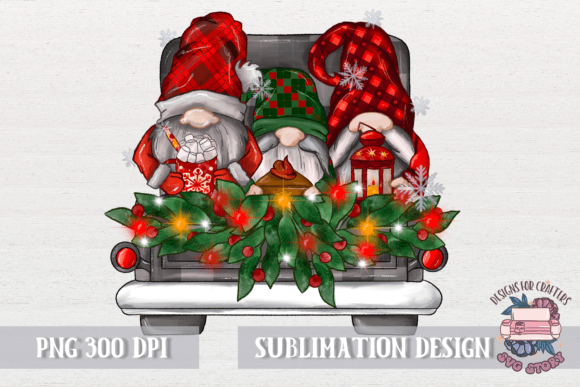
Review: Christmas Gnome with Truck Sublimation Design
As a designer who spends more time staring at stitch maps than actual fabric, I have learned to be skeptical of festive designs. The holiday market is saturated with generic snowflakes and rushed Santas, so when I pulled up the Christmas Gnome with Truck Sublimation file for a potential client project, my initial reaction was cautious. However, after digitizing a test run and analyzing the layout for real-world application, I found this piece to be a surprisingly versatile asset for modern craft businesses. It bridges the gap between rustic farmhouse aesthetics and contemporary holiday trends, making it a strong candidate for both personal gifts and commercial inventory.
First Impressions and Visual Personality
The immediate appeal of this design lies in its composition. The gnome character is not just a static figure; the inclusion of the truck adds a narrative element that suggests movement and delivery, which resonates well with the "gift-giving" theme of the season. From a technical standpoint, the balance between the organic shapes of the gnome’s beard and hat versus the geometric lines of the truck creates a pleasing visual contrast. This is crucial in embroidery, where too much curvature can look messy and too many straight lines can appear rigid.
The mood is undeniably cozy. It evokes feelings of nostalgia and warmth, which is exactly what customers are looking for in holiday embroidery. For an Etsy seller or small shop owner, this visual personality is a selling point. It does not scream for attention with neon brightness but rather invites a closer look. This subtlety allows it to fit seamlessly into boutique branding that values understated elegance over loud, seasonal clutter.
Real-World Application: The Tote Bag Test
To truly evaluate a machine embroidery design, you must imagine it on a finished product. I recently used a similar layout for a custom canvas tote bag order, and this specific gnome-truck combination would have been ideal. Canvas has a distinct weave, and designs with solid fill areas can sometimes sink into the texture if the density is too low. In this case, the truck bed provides a natural anchor for denser stitching, ensuring the design remains crisp and visible against the textured background.
Beyond tote bags, this design shines on sweatshirt embroidery. The soft, looped surface of fleece or French terry cloth requires designs that are not overly intricate, as fine details can get lost. The bold outlines of the truck and the substantial mass of the gnome’s body work perfectly here. It creates a statement piece without overwhelming the garment. For custom apparel brands, this means higher perceived value. A customer is more likely to pay a premium for a clean, professional-looking motif than one that appears tangled or poorly defined.
Versatility Across Product Lines
The adaptability of this illustration extends to various handmade products. Consider these applications:
- Embroidered patches: The self-contained nature of the gnome and truck makes it excellent for iron-on or sew-on patches, which are currently trending in youth fashion and scout uniforms.
- Kitchen towels and aprons: For home decor enthusiasts, this design adds a festive touch to functional items. The horizontal orientation of the truck fits well on the hem of a tea towel.
- Pillow covers: Centered on a linen or cotton blend pillow, it serves as a durable holiday accent that can be stored away and reused annually.
- Baby items: With adjusted thread colors to softer pastels or traditional reds and greens, it works for baby embroidery on onesies or blankets, provided the stitch density is reduced for comfort.
Technical Considerations and Stitching Clarity
While the aesthetic is strong, the technical execution requires attention. When working with any digital embroidery file, understanding stitch types is key. This design likely utilizes a mix of satin stitch for borders and text (if included) and fill stitch for the larger bodies of the gnome and truck. Satin stitches provide a shiny, smooth finish that catches the light, enhancing the visual appeal of the truck’s details. However, satin columns that are too wide can snag easily. I recommend checking the width of any satin elements in your software before stitching.
Stitch density is another critical factor. If the design is too dense, it will pucker lightweight fabrics. If it is too sparse, the fabric underneath will show through, ruining the color vibrancy. For dark fabrics, using an underlay stitch is essential to create a smooth base. I always advise running a test on scrap fabric of the same type you intend to use for the final embroidery project. This simple step saves hours of frustration and prevents wasted materials.
Navigating Fabric Challenges
Not all fabrics behave the same. Here is where caution is needed:
- Stretchy fabrics: Knits and jerseys require a cut-away stabilizer to prevent distortion. The weight of the embroidery can pull the fabric out of shape if not properly supported.
- Curved surfaces: Embroidering on caps or hats requires careful hooping. The truck’s linear design must be aligned perfectly straight, or it will look skewed on the curved crown of a hat.
- Thin fabrics: Silk or lightweight rayon may tear under heavy stitching. Using a water-soluble topping can help keep the stitches on the surface and prevent sinking.
Enhancing Brand Consistency and Customer Trust
For commercial embroidery professionals, consistency is currency. Using high-quality design assets like this gnome illustration helps maintain a professional standard. When customers receive a personalized gift that looks polished and well-executed, their trust in your brand grows. This leads to repeat business and positive reviews, which are vital for online sellers.
Moreover, the versatility of the design allows for creative marketing. You can create printable mockups showing the design on various products to gauge customer interest before committing to large production runs. This data-driven approach minimizes risk and maximizes profit. Whether you are selling finished products or offering customization services, having a reliable, attractive design in your library is an investment in your business’s longevity.
Practical Designer Notes for Best Results
Before you load this embroidery file into your machine, consider these final tips to ensure success:
- Check thread color contrast: Ensure the thread colors stand out against the fabric. A dark green truck on a black shirt will disappear. Use a color chart to plan your palette.
- Inspect small details: Zoom in on the design in your software. Are there tiny jumps or unnecessary trims? Cleaning up the path can reduce stitching time and improve quality.
- Confirm hoop size: Make sure the design fits within your available hoop sizes. If it is too large, you may need to resize it, which can affect stitch density and clarity.
- Review licensing: Always confirm the license terms. Can you sell items made with this design? Are there restrictions on quantity? Understanding these terms protects your craft business from legal issues.
- Test on different backgrounds: See how the design looks on both light and dark fabrics. You may need to adjust underlay settings or thread choices for optimal visibility.
In conclusion, the Christmas Gnome with Truck Sublimation design is a robust choice for designers looking to add a touch of whimsical charm to their holiday collections. It balances artistic appeal with technical practicality, making it suitable for a wide range of small shop products. By paying attention to fabric choice, stabilizer selection, and stitch parameters, you can transform this digital file into a standout embroidered patch, garment, or home decor item that delights customers and elevates your brand.