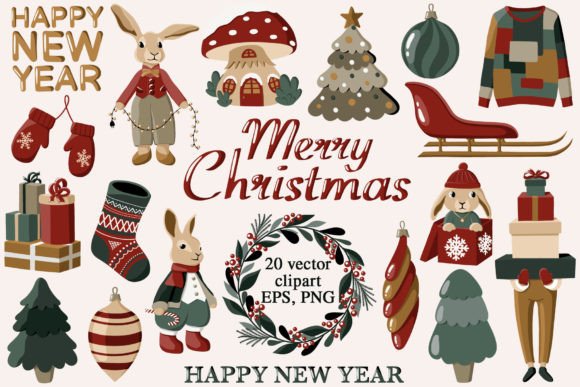
Christmas Decorative Art: Illustrations for Branding
As a brand designer who has spent years refining visual identities for small businesses and digital entrepreneurs, I approach every new graphic design asset with a critical eye. It is not enough for an image to be pretty; it must perform. It needs to carry weight in a marketing funnel, support brand recognition, and communicate tone instantly. Recently, I integrated Christmas Decorative Art into a seasonal campaign for a lifestyle client, and the results offered valuable insights into how specific Illustrations can elevate professional branding efforts.
First Impressions: Mood and Audience Perception
The immediate impact of Christmas Decorative Art is warmth. In a digital landscape often cluttered with sterile, corporate minimalism, these visuals bring a human touch. The mood is inviting, nostalgic, and celebratory without being chaotic. For brand owners, this is crucial. Your audience’s perception of your business is shaped within milliseconds of viewing your content. If you are selling handmade goods, coaching services, or lifestyle products, this aesthetic signals approachability.
However, the suitability depends on your brand archetype. This style thrives in casual branding, boutique retail, and creative entrepreneurship. It feels less appropriate for high-finance or strict corporate sectors but is perfect for those looking to build audience trust through emotional connection. The art does not scream for attention; rather, it invites the viewer in, creating a soft entry point for your marketing message.
Strategic Application in Real Marketing Workflows
During our recent project, we were tasked with refreshing social media visuals for a December product launch. The goal was to create a cohesive look across Instagram, Pinterest, and email newsletters. Christmas Decorative Art became the anchor of this design bundle. Here is how it performed across various channels:
- Social Media Graphics: We used the elements as framing devices for Instagram posts. By placing text in the negative space surrounded by the decorative borders, we improved visual hierarchy. The eye is naturally drawn to the center, ensuring the call-to-action remains the focal point.
- Pinterest Pins: Vertical layouts benefit greatly from detailed Illustrations. We layered the art over soft, neutral backgrounds to create pins that stood out in a crowded feed without looking messy.
- Email Banners: For holiday newsletters, the art served as a header accent. It broke up the text-heavy format of standard promotional emails, increasing engagement rates by making the content feel like a gift rather than an advertisement.
- Packaging Design: For physical products, we scaled the vector files for product label applications. The clarity of the lines ensured that even when printed small on sticker labels, the details remained crisp and professional.
This versatility makes it a powerful tool for content marketing. Whether you are building a Canva template kit for clients or designing digital ads, the asset adapts well. It supports stronger first impressions and helps maintain consistent branding across touchpoints, which is vital for small business branding where recognition drives loyalty.
Enhancing Brand Identity and Visual Consistency
One of the biggest challenges for creative entrepreneurs is maintaining visual consistency. Using random clipart from different sources often leads to a disjointed brand identity. Christmas Decorative Art offers a unified style that solves this problem. When used correctly, it strengthens recognition. Customers begin to associate that specific decorative flair with your brand voice.
In terms of logo design or brand marks, these elements work best as secondary accents rather than primary logos. They complement a wordmark or a simple icon, adding seasonal relevance without requiring a full rebrand. This is particularly useful for modern design approaches where flexibility is key. You can toggle the intensity of the decoration based on the season, keeping your core identity intact while refreshing your marketing visuals.
Where This Asset Shines
To get the most value from this digital product, deploy it in areas where emotion and aesthetics drive conversion. It excels in:
- Hero Graphics: Website headers that need to convey a festive mood immediately.
- Campaign Headers: Facebook and LinkedIn cover photos that announce seasonal offers.
- Editorial Design: Blog post featured images that require a sophisticated, magazine-like feel.
- Printable Promotions: Flyers and posters for local events or workshops.
Where to Use Caution
Despite its versatility, there are limitations. As a designer, I advise against using these detailed Illustrations in dense information layouts. If your ad copy is text-heavy, the decorative elements can compete for attention, reducing readability. Similarly, avoid using them on low-contrast backgrounds. The intricate lines may disappear against busy patterns or dark colors unless carefully adjusted.
For formal corporate branding or overly minimal brands, this asset might feel too ornate. Always consider if the decoration aligns with your core brand values. If your brand is built on stark minimalism and industrial efficiency, this warm, decorative style may create cognitive dissonance for your audience.
Practical Designer Notes for Implementation
Before launching your campaign, take time to test the asset in real-world scenarios. Here are my top recommendations for integrating Christmas Decorative Art effectively:
Test Color Palettes: Do not assume the default colors will match your brand. Experiment with recoloring the SVG or PNG files to align with your primary brand hues. A monochromatic version often looks more premium and cohesive than a multi-colored one.
Check Typography Pairings: This art pairs beautifully with serif fonts for a classic, editorial look. It also works well with handwritten script fonts for a personal, handmade vibe. However, avoid pairing it with overly decorative display fonts, as this can create visual noise. Stick to clean sans-serif fonts for body text to maintain balance.
Preview on Mobile: Most of your audience will view your social media graphics on smartphones. Zoom out on your design mockups. If the details of the clipart become muddy or indistinguishable at small sizes, simplify the layout or increase the scale of the main elements.
Licensing Verification: Always confirm the commercial license terms. If you are using this for client work or paid campaigns, ensure you have the right to use the design assets in commercial projects. This protects both you and your clients from legal issues down the line.
Competitor Analysis: Look at what your competitors are doing. If everyone is using generic red and green stock photos, using unique Illustrations can help you stand out in the creative marketplace. Differentiation is key to memorable campaign visuals.
Final Verdict: A Strong Asset for Seasonal Storytelling
In the context of commercial design, Christmas Decorative Art is more than just decoration; it is a strategic tool for storytelling. It allows brand owners to tap into the emotional resonance of the holiday season without sacrificing professionalism. For bloggers, publishers, and online coaches, it provides a quick way to elevate web design and editorial design projects.
By focusing on visual hierarchy and consistent application, you can transform these simple elements into a powerful component of your brand identity. Whether you are creating printable design materials for a local shop or digital ads for a global audience, this asset supports clearer communication and stronger engagement. Just remember to test, adapt, and align it with your broader marketing goals. When used with intention, Christmas Decorative Art does not just fill space; it builds connection.